
PN25

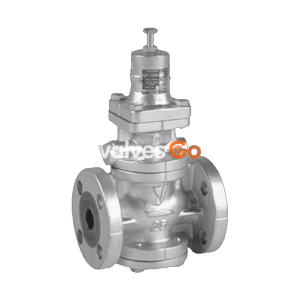
Yoshitake GD-43G-20 direct type pressure reducing valve with JIS 20K RF flanged connection. Features stainless steel wetted parts and a PTFE-covered diaphragm. Suitable for air, CO2, N2, and sterilization steam.
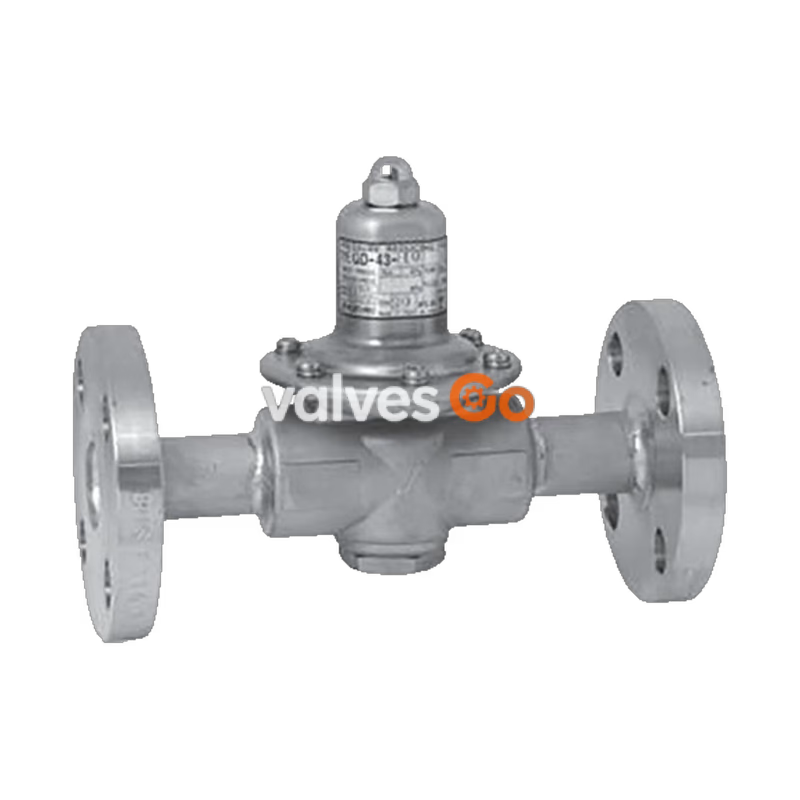
Yoshitake GD-43G-20 direct type pressure reducing valve is designed for use with air, carbon dioxide gas, nitrogen gas, and steam for washing or sterilization. The pressure balance structure maintains the reduced pressure at a constant level without being affected by the inlet pressure, making it highly reliable for precision applications.
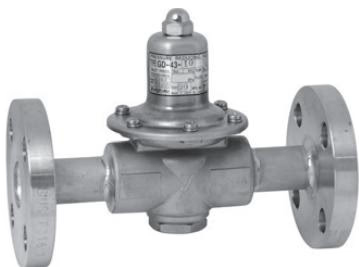
| Parameter | Value |
|---|---|
| Application | Air, Carbon dioxide gas, Nitrogen gas, Steam for washing or sterilization |
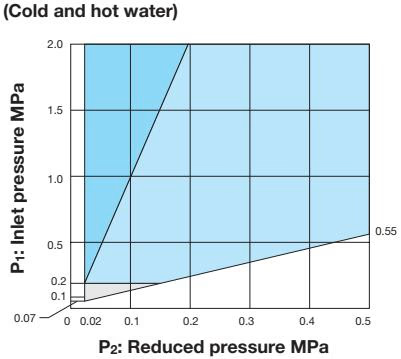
| Inlet pressure | 0.07-2.0 MPa (0.2 MPa or less for steam for washing or sterilization) |
| Reduced pressure | (A) Yellow spring: 0.02-0.1 MPa (B) Red spring: 0.1-0.25 MPa (C) Black spring: 0.25-0.5 MPa |
| Minimum differential pressure | 0.05 MPa |
| Maximum pressure reduction ratio | 20:1 |
| Fluid temperature | 5-90°C |
| Body Material | Cast Stainless steel (SCS14A) |
| Valve disc Material | Special synthetic rubber (special FKM) |
| Diaphragm Material | Heat-resistant synthetic rubber and PTFE |
| Connection | JIS 20K RF flanged |
Temperature Limit for Steam
If using for washing steam or sterilization steam, be sure that the maximum temperature is 130°C and avoid continuous use for more than 30 minutes. Allow an interval of at least four hours between steam flows.
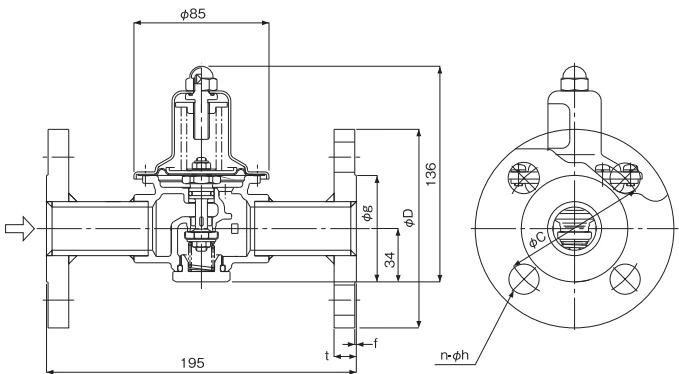
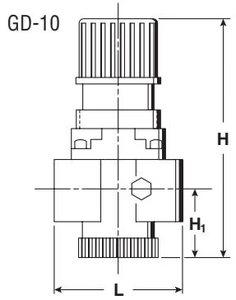
| Nominal Size | Flange (JIS 20K RF) D | C | g | t | f | n-h | Weight (kg) |
|---|---|---|---|---|---|---|---|
| 20A | 100 mm | 75 mm | 56 mm | 16 (14) mm | 1 mm | 4-15 | 3.0 (2.9) kg |
(Note: The values in parentheses are the parameters of the GD-43G-10 model).
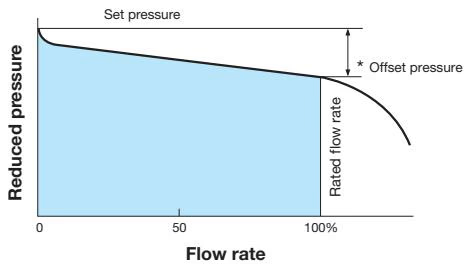
Offset Pressure:
| Set pressure | Offset pressure |
|---|---|
| 0.2 MPa or less | Within 0.05 MPa |
| More than 0.2 MPa | Within 0.08 MPa |
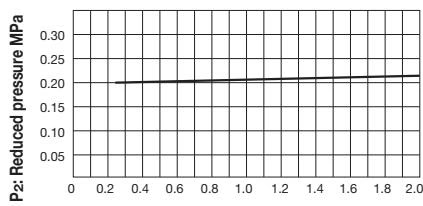
This chart shows the change in the reduced pressure when the inlet pressure is changed in the range of 0.25 to 2.0 MPa whereas the reduced pressure is set at 0.20 MPa.
Strainer Recommendation
Be sure to install a strainer at the inlet side of the pressure reducing valve. Ingress of foreign substances or scale into the pressure reducing valve leads to malfunction of the product. It is recommended to use a strainer of 60 mesh or more.
Safety Valve Requirement
When installing a safety valve at the outlet side of the pressure reducing valve, connect a blow-off pipe to lead the possible discharged fluid to a safe location. Without a safety valve, an abnormal condition cannot be recognized and may damage the equipment.
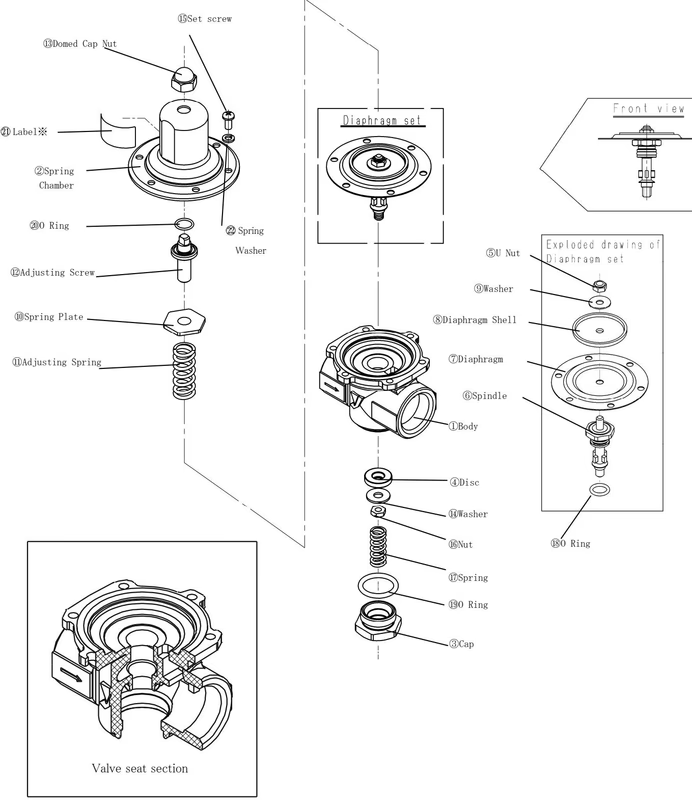
Periodic check and replacement of expendable parts are recommended to maintain performance. Under normal usage, the diaphragm set, disc, and O-rings generally require replacement every 3 years.
| Symptom | Possible Cause | Corrective Action |
|---|---|---|
| Reduced pressure is higher than set pressure | Damaged diaphragm, pinched foreign material between valving disc and seat, or poor seal of valve stem O-ring. | Replace the diaphragm unit, clean the assembly, or replace the damaged O-ring. |
| Reduced pressure is lower than desired / Fluid fails to flow | Valve stem O-ring is locked or valving element P and valve seat are locked. | Replace the valve stem O-ring or clean the disc and valve seat section. |
| Exterior Leakage | Loose cross recessed pan head screw, loose cap, or broken O-ring for cap. | Retighten screws/cap, or replace the broken O-ring with a new one. |
Yoshitake Control Valves / Pressure Reducing Valves
GP, GD, and CP series for stable pressure reduction and control in steam, water, and air systems.
Explore similar products in our catalog